
Arch & Feather
A responsive frontend built on a refined grid system with thoughtful typography and subtle interactions to create a cohesive, elegant browsing experience aligned with Arch & Feather’s brand.
A responsive frontend built on a refined grid system with thoughtful typography and subtle interactions to create a cohesive, elegant browsing experience aligned with Arch & Feather’s brand.
Year
2024
Scope
Web Design and Development
Client
Arch & Feather
Duration
2 months
Arch & Feather Website
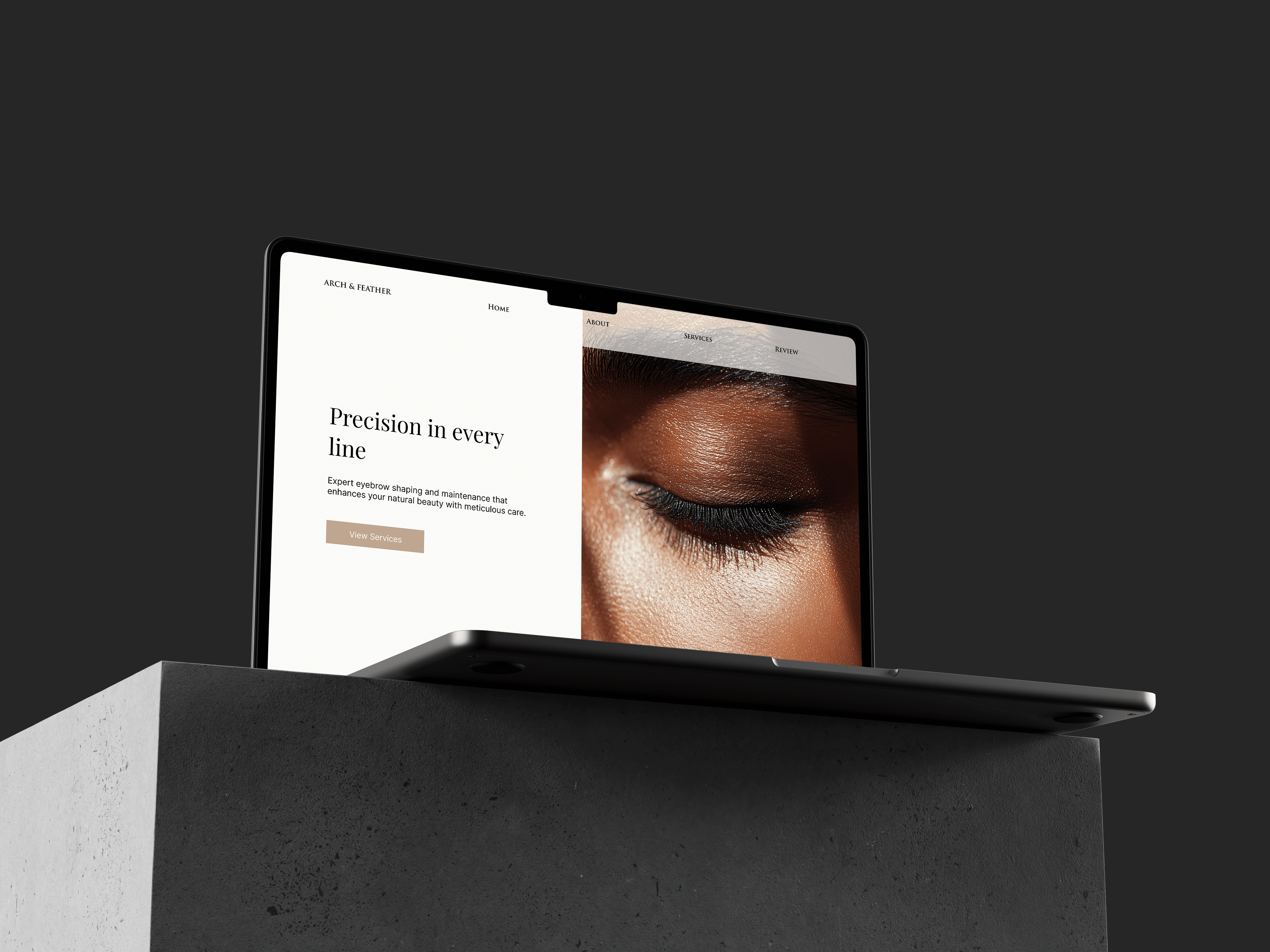
Arch & Feather is a redesigned website for a local Denver business focused on creating a simple, intuitive, and user-friendly experience. The primary goal was to make key information easily accessible, allowing visitors to quickly find services, pricing, and examples of work without unnecessary navigation. The homepage emphasizes a strong call-to-action, guiding users directly to service pages while highlighting a featured deal to immediately communicate value.
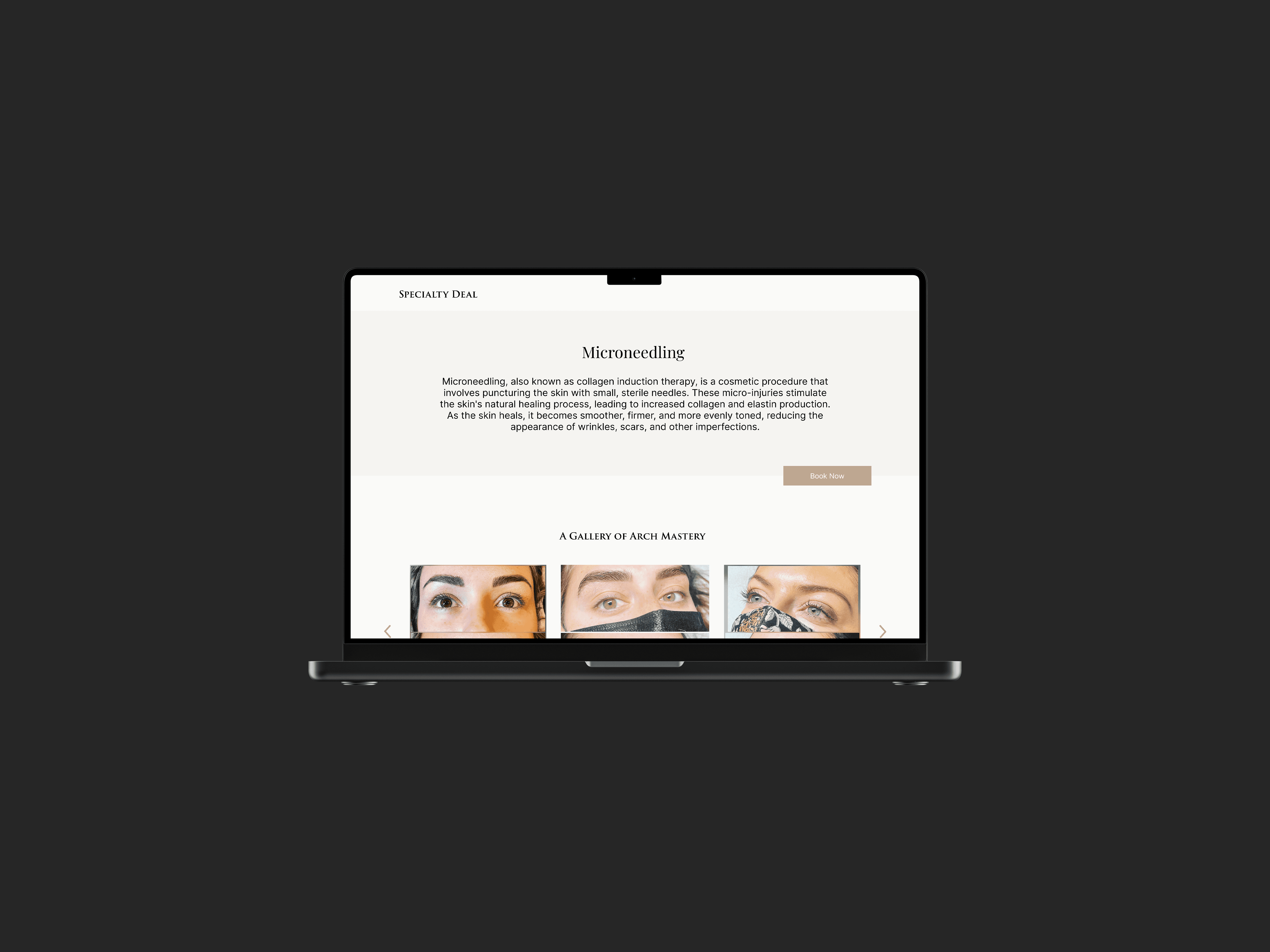
The site showcases high-quality imagery of completed work to build trust and credibility, eliminating the need for users to search through multiple pages. Interior pages are organized into clear service categories with transparent pricing, helping users understand their options at a glance. The overall design is minimal, clean, and modern, reflecting the professionalism of the brand while maintaining an approachable and visually engaging experience.
Arch & Feather Website
Arch & Feather is a redesigned website for a local Denver business focused on creating a simple, intuitive, and user-friendly experience. The primary goal was to make key information easily accessible, allowing visitors to quickly find services, pricing, and examples of work without unnecessary navigation. The homepage emphasizes a strong call-to-action, guiding users directly to service pages while highlighting a featured deal to immediately communicate value.
The site showcases high-quality imagery of completed work to build trust and credibility, eliminating the need for users to search through multiple pages. Interior pages are organized into clear service categories with transparent pricing, helping users understand their options at a glance. The overall design is minimal, clean, and modern, reflecting the professionalism of the brand while maintaining an approachable and visually engaging experience.
The Problem
The Problem
The original website lacked clear structure and required users to search for key information such as services, pricing, and examples of work. Important content was buried across multiple pages, creating friction in the user experience. For a service-based beauty business, users typically want quick access to pricing, service options, and visual results. The existing experience did not support that behavior effectively.
The original website lacked clear structure and required users to search for key information such as services, pricing, and examples of work. Important content was buried across multiple pages, creating friction in the user experience. For a service-based beauty business, users typically want quick access to pricing, service options, and visual results. The existing experience did not support that behavior effectively.
Design Direction
Design Direction
This redesign was guided by common user expectations within the beauty industry. Users typically visit these websites with a clear intent, such as viewing services, checking pricing, or seeing past work.
The design prioritizes speed and clarity, reducing the number of steps required to reach this information.
This redesign was guided by common user expectations within the beauty industry. Users typically visit these websites with a clear intent, such as viewing services, checking pricing, or seeing past work.
The design prioritizes speed and clarity, reducing the number of steps required to reach this information.
Information Architecture
Information Architecture
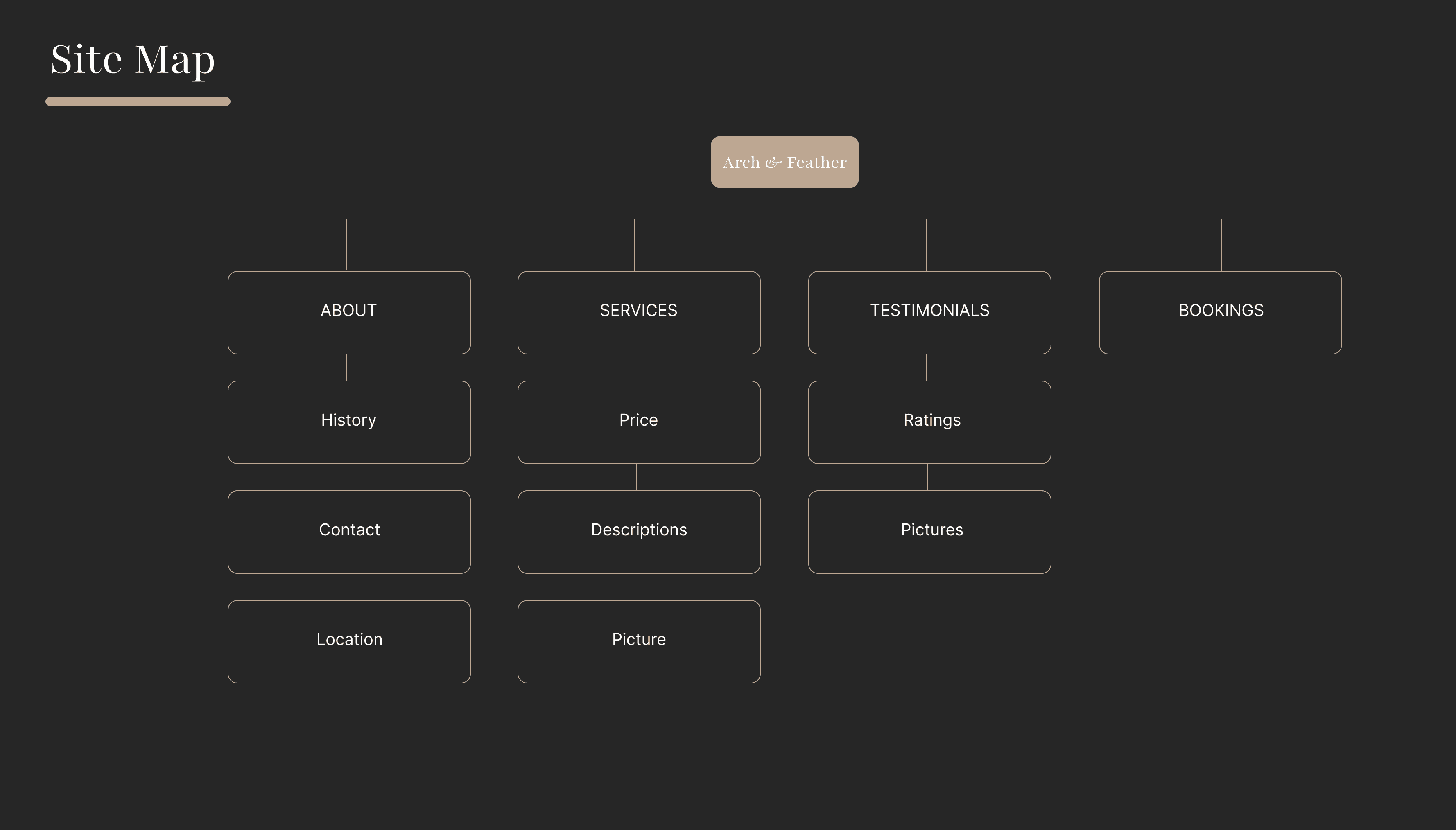
I restructured the site architecture to prioritize the most important user paths. Services and pricing were moved to the forefront, while supporting pages were simplified to reduce unnecessary navigation.
I restructured the site architecture to prioritize the most important user paths. Services and pricing were moved to the forefront, while supporting pages were simplified to reduce unnecessary navigation.
Key Factors
Key Factors
Clear Call-to-Action
Users are directed straight to service pages from the homepage, reducing friction.
Upfront Pricing
Service pages include clear pricing, allowing users to quickly understand their options without extra steps.
Work Showcase
High-quality images of previous work are displayed prominently, eliminating the need to search for examples.
Style Guide
Final Design
Final Design
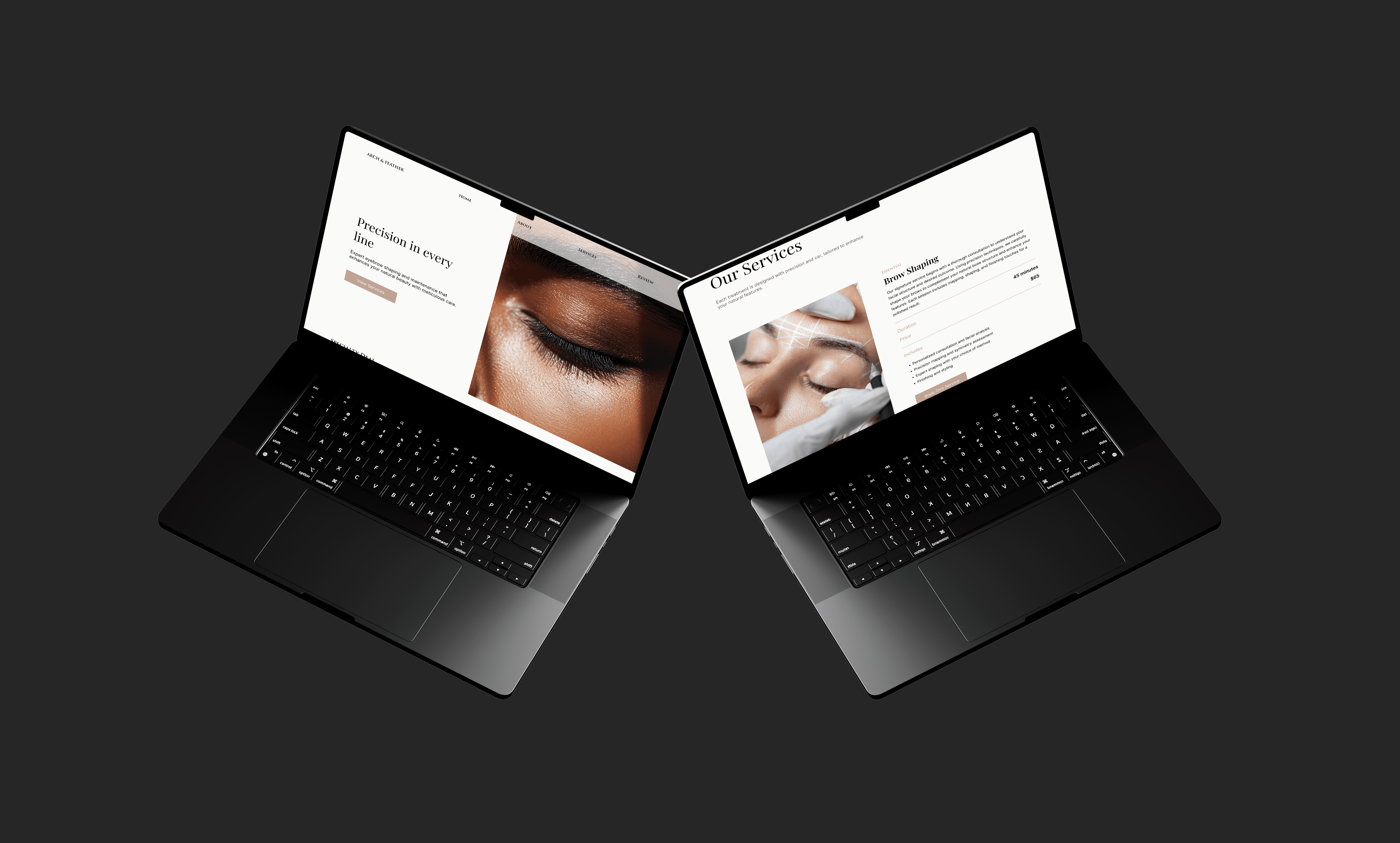
The homepage was designed to immediately guide users toward services through a strong call-to-action. Instead of requiring users to navigate through multiple pages, key information is presented upfront.
High-quality images of completed work are placed early in the experience to build trust and credibility. A featured specialty deal is also highlighted to create immediate value and encourage engagement.
The homepage was designed to immediately guide users toward services through a strong call-to-action. Instead of requiring users to navigate through multiple pages, key information is presented upfront.
High-quality images of completed work are placed early in the experience to build trust and credibility. A featured specialty deal is also highlighted to create immediate value and encourage engagement.
Outcome
Outcome
This project highlights the importance of simplicity in user experience design. By prioritizing clarity, reducing unnecessary steps, and surfacing key information early, the redesign creates a more efficient and user-friendly experience.
It demonstrates my ability to analyze user behavior and translate it into clear design decisions that improve usability and engagement.
This project highlights the importance of simplicity in user experience design. By prioritizing clarity, reducing unnecessary steps, and surfacing key information early, the redesign creates a more efficient and user-friendly experience.
It demonstrates my ability to analyze user behavior and translate it into clear design decisions that improve usability and engagement.